
The 5 Pillars of Current Good Manufacturing Practices
The five pillars of cGMP (Current Good Manufacturing Practices), often called the “5 Ps”are
- People
- Premises
- Processes
- Products (or Materials)
- Procedures
These pillars ensure that food, dietary supplements, and pharmaceutical products are consistently produced, controlled, and safe for human use by minimizing risks like cross-contamination, variability, and human error. Together, they create a comprehensive quality framework that supports regulatory compliance, product integrity, and patient safety. Depending on what industry you are in, the specific requirements for those GMP’s may vary.
 People: Qualified, trained personnel who adhere to strict hygiene and operational standards.
People are at the core of cGMP compliance, as even the most advanced systems depend on the knowledge, skill, and accountability of the workforce. Employees must receive ongoing training tailored to their roles, ensuring they understand not only how to perform tasks but why each step matters for quality and safety. This includes training on proper gowning, sanitation, contamination prevention, and documentation practices.
A strong culture of quality begins with people who are empowered to follow procedures, report deviations, and take ownership of their responsibilities. Clear communication, defined roles, and continuous professional development help reduce human error and ensure that all activities are performed consistently and in alignment with regulatory expectations.
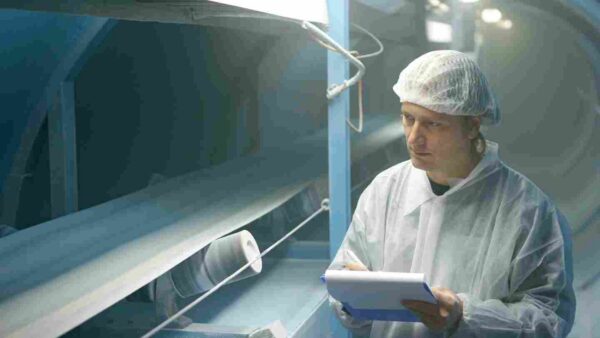 Premises: Properly designed, maintained, and clean facilities and equipment.
Facilities must be thoughtfully designed to support safe and efficient operations, with layouts that prevent mix-ups and cross-contamination. This includes controlled environments, appropriate material and personnel flow, and clearly defined areas for manufacturing, testing, and storage. Routine cleaning, maintenance, and environmental monitoring are essential to maintain the integrity of the production space.
Equipment must be suitable for its intended use, properly installed, regularly calibrated, and maintained to operate within specified parameters. A well-maintained facility not only supports consistent product quality but also demonstrates a company’s commitment to regulatory compliance and operational excellence.
Processes: Validated, documented, and standardized workflows to ensure consistency.
Processes are the backbone of reliable manufacturing. Each critical step must be validated to confirm it consistently produces results that meet predetermined specifications. Validation activities – such as process qualification, equipment qualification, and cleaning validation – help ensure repeatability and reduce variability in production outcomes.
Once established, processes must be carefully controlled, monitored, and improved over time. Any changes must be evaluated through formal change control systems to prevent unintended impacts on product quality. By maintaining consistency in execution, organizations can ensure that every batch meets the same high standards as the last.
Products (or Materials): High-quality raw materials and finished products that meet defined specifications.
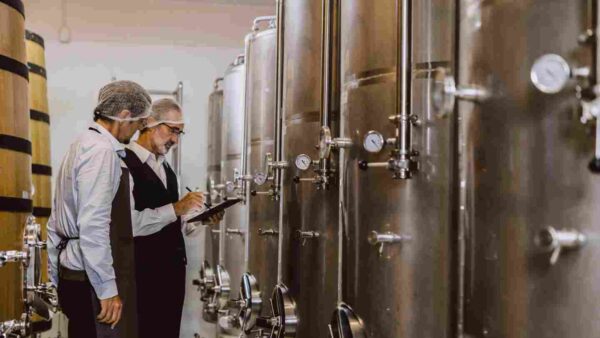 Quality begins with the materials used. All incoming raw materials must be sourced from qualified suppliers, tested, and verified before use to ensure they meet strict specifications. Proper labeling, storage, and inventory control help prevent mix-ups and maintain material integrity throughout their lifecycle.
Finished products must undergo thorough testing and quality review to confirm they meet safety, identity, strength, purity, and quality requirements. Robust material and product controls help ensure traceability from raw ingredient to final distribution, reinforcing confidence in the product’s reliability and safety for end users.
Procedures: Detailed, written Standard Operating Procedures (SOPs) for every step of production and quality control.
Procedures provide the clear, step-by-step instructions needed to perform tasks consistently and correctly. Well-written SOPs ensure that operations are carried out in a standardized manner, reducing variability and supporting regulatory compliance. They also serve as training tools, helping new and existing employees understand expectations and best practices.
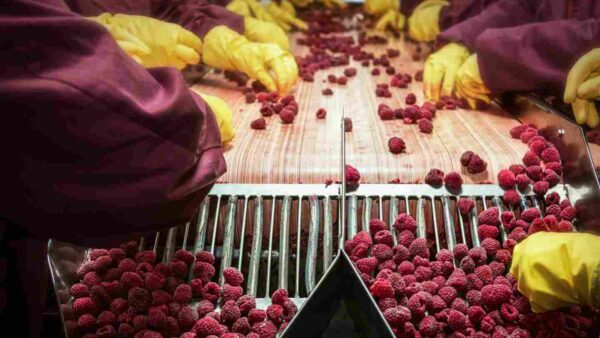 Comprehensive documentation is equally important. Accurate records of manufacturing, testing, cleaning, and maintenance activities create a traceable history that supports accountability and continuous improvement. Regular review and updating of procedures ensure they remain current, effective, and aligned with evolving regulations and operational needs.
Want to learn more or get a quote from PJRFSI? Fill out the form below to start the process!
"*" indicates required fields
cGMP FAQs
I need help putting my documentation together, can you provide me with templates?
As the Certification Body, we can assist with many things, have technical discussions, provide resources for learning, but cannot write your manuals or procedures for you. However, we have partners in our ecosystem that can provide consulting, documentation, and software if that’s what you need.
How long does the audit take?
Most cGMP audits take one full day. The auditor will come to your location in person, review your documentation, and tour your facility.
When do I get my certificate?
After any corrective actions from the audit are answered and approved, we issue your Certificate to you.
How long is my Certificate good for?
It is good for one year and each year it is renewed with another in person audit.
How much does it cost?
Each company and situation is different. Click here to start the quote process and connect with a Project Manager for a no cost review.
How long until I get my quote?
We process quotes within 24 hours, or sooner. Your Project Manager can also discuss this with you.
Do I have to pay for everything up front?
No. We only require a small deposit and nothing else is due until after your certificate is ready to be issued.
Can I claim I’m GMP Certified even though I haven’t had the audit yet?
No, that is not allowed. However we will issue you a Pending Letter of Certification, written on our letterhead, that shows you’ve officially started the process.